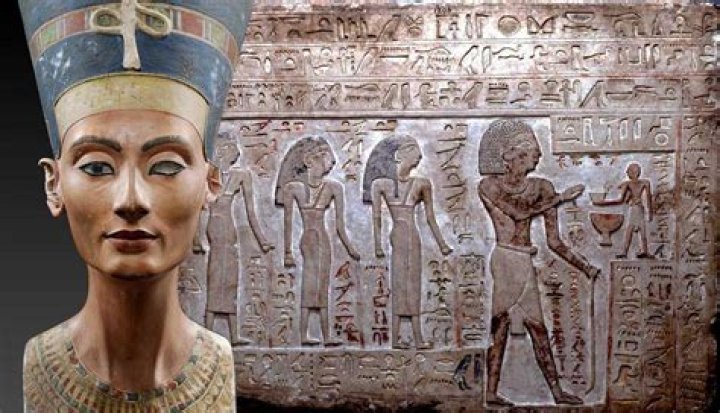
Unveiling The Enigmatic Names Of Ancient Egypt

James Sullivan
Published Mar 20, 2026
What are Egyptian names?
Egyptian names are the names given to the people of Egypt, a country in North Africa. They are typically composed of a first name, a middle name, and a last name, and may also include a title or honorific. Egyptian names are often derived from ancient Egyptian mythology, history, or religion, and many have special meanings or symbolism.
The importance of Egyptian names cannot be overstated. They are not merely a means of identification, but also a reflection of the individual's personality, family history, and cultural heritage. Egyptian names can also be a source of pride and inspiration, and can help to connect people to their ancestors and to the wider Egyptian community.
The study of Egyptian names, known as onomastics, is a complex and fascinating field. Scholars have been studying Egyptian names for centuries, and have made great progress in understanding their origins, meanings, and significance. Onomastics can help us to learn more about ancient Egyptian society, culture, and history, and can also provide insights into the lives of individual Egyptians.
In this article, we will explore the history, meaning, and significance of Egyptian names. We will also discuss some of the most common Egyptian names, and provide tips on how to choose an Egyptian name for your child.
Egyptian names
Egyptian names are a rich and diverse part of Egyptian culture, with a long and fascinating history. Here are five key aspects of Egyptian names:
- Meaningful: Egyptian names often have special meanings or symbolism, and may be derived from ancient Egyptian mythology, history, or religion.
- Unique: Egyptian names are often unique and distinctive, and may not be found in other cultures.
- Cultural: Egyptian names are a reflection of Egyptian culture and heritage, and can provide insights into the lives and values of the ancient Egyptians.
- Diverse: Egyptian names are diverse, and vary depending on the region of Egypt, the social status of the individual, and the time period.
- Beautiful: Egyptian names are often beautiful and melodic, and can be a source of pride and inspiration for Egyptians.
These five aspects highlight the importance and significance of Egyptian names. They are not merely a means of identification, but also a reflection of the individual's personality, family history, cultural heritage, and connection to the wider Egyptian community.
Here are some examples of famous Egyptians and their names:
| Name | Birthdate | Occupation |
|---|---|---|
| Cleopatra VII | 69 BC | Queen of Egypt |
| Tutankhamun | 1341 BC | Pharaoh of Egypt |
| Imhotep | 2667-2600 BC | Architect, physician, and vizier |
| Naguib Mahfouz | 1911 | Nobel Prize-winning author |
| Umm Kulthum | 1898 | Singer and actress |
Meaningful
The names given to children in ancient Egypt were often chosen with great care and deliberation. Parents would select names that had special meanings or symbolism, and that reflected their hopes and dreams for their child's future. Many Egyptian names were derived from ancient Egyptian mythology, history, or religion, and these names often invoked the protection of a particular god or goddess.
For example, the name "Tutankhamun" means "living image of Amun," and was given to the famous pharaoh in honor of the god Amun. The name "Cleopatra" means "glory of the father," and was given to the famous queen in honor of her father, Ptolemy XII Auletes.
The use of meaningful names is not unique to ancient Egypt. In many cultures around the world, parents choose names for their children that have special meanings or symbolism. However, the ancient Egyptians took this practice to a high art form, and their names are a rich source of information about their culture and beliefs.
Understanding the meaning of Egyptian names can help us to better understand the ancient Egyptian culture and worldview. It can also help us to appreciate the beauty and complexity of the Egyptian language.
Unique
The uniqueness of Egyptian names is due to a number of factors, including the long and rich history of Egypt, the country's geographical isolation, and the influence of ancient Egyptian religion and mythology. As a result, many Egyptian names have meanings and associations that are unique to Egyptian culture.
For example, the name "Amun" is the name of the ancient Egyptian god of the sun. The name "Isis" is the name of the ancient Egyptian goddess of magic and fertility. The name "Horus" is the name of the ancient Egyptian god of war and protection.
The use of unique names is not limited to ancient Egypt. In many cultures around the world, people choose names for their children that are unique and distinctive. However, the ancient Egyptians took this practice to a high art form, and their names are a rich source of information about their culture and beliefs.
Understanding the uniqueness of Egyptian names can help us to better understand the ancient Egyptian culture and worldview. It can also help us to appreciate the beauty and complexity of the Egyptian language.
Cultural
The names given to children in ancient Egypt were often chosen with great care and deliberation. Parents would select names that had special meanings or symbolism, and that reflected their hopes and dreams for their child's future. Many Egyptian names were derived from ancient Egyptian mythology, history, or religion, and these names often invoked the protection of a particular god or goddess.
For example, the name "Tutankhamun" means "living image of Amun," and was given to the famous pharaoh in honor of the god Amun. The name "Cleopatra" means "glory of the father," and was given to the famous queen in honor of her father, Ptolemy XII Auletes.
The use of meaningful names is not unique to ancient Egypt. In many cultures around the world, parents choose names for their children that have special meanings or symbolism. However, the ancient Egyptians took this practice to a high art form, and their names are a rich source of information about their culture and beliefs.
Understanding the meaning of Egyptian names can help us to better understand the ancient Egyptian culture and worldview. It can also help us to appreciate the beauty and complexity of the Egyptian language.
Diverse
The diversity of Egyptian names is due to a number of factors, including the long and rich history of Egypt, the country's geographical isolation, and the influence of ancient Egyptian religion and mythology. As a result, Egyptian names vary greatly in terms of their meaning, symbolism, and pronunciation.
For example, the names of the ancient Egyptian pharaohs were often very elaborate and grandiose. These names were meant to reflect the pharaoh's divine status and power. In contrast, the names of ordinary Egyptians were often much more simple and straightforward. These names were often chosen based on their meaning or symbolism, and they often invoked the protection of a particular god or goddess.
The diversity of Egyptian names is also evident in the different regions of Egypt. For example, the names of people from Upper Egypt are often different from the names of people from Lower Egypt. This is due to the different cultural and linguistic influences that have shaped these two regions of Egypt.
The diversity of Egyptian names is a reflection of the rich and complex history of Egypt. It is a testament to the creativity and adaptability of the Egyptian people, and it provides a valuable window into their culture and beliefs.
Understanding the diversity of Egyptian names is important for a number of reasons. First, it can help us to better understand the ancient Egyptian culture and worldview. Second, it can help us to appreciate the beauty and complexity of the Egyptian language. Third, it can help us to better understand the diversity of the Egyptian people.
Beautiful
Egyptian names are not only meaningful, unique, and diverse, but they are also often beautiful and melodic. The ancient Egyptians had a keen sense of aesthetics, and they took great care in choosing names that were pleasing to the ear. Many Egyptian names are composed of vowel-rich syllables that flow together smoothly, creating a harmonious and musical effect.
- Euphony: Egyptian names are known for their euphony, or pleasing sound. The ancient Egyptians used a variety of techniques to create euphonious names, including alliteration, assonance, and consonance. For example, the name "Nefertiti" uses alliteration to create a pleasing repetition of the "f" sound. The name "Hatshepsut" uses assonance to create a pleasing repetition of the "a" sound. And the name "Tutankhamun" uses consonance to create a pleasing repetition of the "n" sound.
- Musicality: Egyptian names are also known for their musicality. Many Egyptian names have a rhythm and flow that is reminiscent of music. This is due in part to the use of stressed and unstressed syllables in Egyptian names. For example, the name "Cleopatra" has a stressed syllable on the first and third syllables, creating a rhythm that is similar to a musical beat.
- Inspiration: The beauty and melody of Egyptian names can be a source of pride and inspiration for Egyptians. Many Egyptians are proud to bear names that are both beautiful and meaningful. And many Egyptians are inspired by the names of their ancestors, who were often named after gods and goddesses or other important figures in Egyptian history.
The beauty of Egyptian names is a reflection of the rich and vibrant culture of ancient Egypt. Egyptian names are a testament to the creativity and artistry of the ancient Egyptians, and they continue to be a source of pride and inspiration for Egyptians today.
FAQs about Egyptian names
Egyptian names are a rich and diverse part of Egyptian culture, with a long and fascinating history. Here are answers to some of the most frequently asked questions about Egyptian names:
Question 1: What is the most common Egyptian name?
The most common Egyptian name is Muhammad, which is the Arabic form of the name Mohammed. Other popular Egyptian names include Ahmed, Ali, Mahmoud, and Ibrahim.
Question 2: What is the difference between an Egyptian name and an Arabic name?
Egyptian names are a subset of Arabic names. All Egyptian names are Arabic names, but not all Arabic names are Egyptian names. Egyptian names are typically more specific to Egypt and its culture, while Arabic names are more general and can be used in any Arabic-speaking country.
Question 3: How do I choose an Egyptian name for my child?
There are many factors to consider when choosing an Egyptian name for your child. You may want to choose a name that has a special meaning or symbolism, or a name that is popular in Egypt. You may also want to consider the sound of the name and how it will be pronounced in English.
Question 4: What are some unique Egyptian names?
There are many unique and beautiful Egyptian names to choose from. Some unique Egyptian names include:
- Amun
- Isis
- Horus
- Anubis
- Bastet
Question 5: What are some popular Egyptian names for girls?
Some popular Egyptian names for girls include:
- Amira
- Aya
- Farah
- Laila
- Nour
Question 6: What are some popular Egyptian names for boys?
Some popular Egyptian names for boys include:
- Ahmed
- Ali
- Karim
- Mohamed
- Omar
These are just a few of the many questions that people have about Egyptian names. If you have any other questions, please feel free to ask in the comments section below.
Summary of key takeaways:
- Egyptian names are a rich and diverse part of Egyptian culture.
- Egyptian names are typically more specific to Egypt and its culture, while Arabic names are more general and can be used in any Arabic-speaking country.
- There are many factors to consider when choosing an Egyptian name for your child, such as the meaning, symbolism, sound, and popularity of the name.
- There are many unique and beautiful Egyptian names to choose from.
- Some popular Egyptian names for girls include Amira, Aya, Farah, Laila, and Nour.
- Some popular Egyptian names for boys include Ahmed, Ali, Karim, Mohamed, and Omar.
We hope this article has been helpful in answering your questions about Egyptian names. If you have any other questions, please feel free to ask.
Transition to the next article section:
Now that we have explored the basics of Egyptian names, let's take a closer look at some of the most common and popular Egyptian names.
Conclusion
Egyptian names are diverse and reflect the countrys rich history and culture. They are often chosen with great care and deliberation, with many having special meanings or symbolism. Parents may choose names from ancient Egyptian mythology, history, or religion, or they may choose names that are more modern and reflect their own personal preferences.
No matter what their origin, Egyptian names are a source of pride and identity for Egyptians. They are a reminder of the countrys long and storied past, and they help to connect Egyptians to their ancestors and to each other. Egyptian names are also a beautiful and unique part of the Egyptian culture, and they are sure to continue to be used for generations to come.