The Pivotal Role Of The Second Great Awakening In Shaping American History: An Exploration

James Sullivan
Published Feb 22, 2026
What was the Second Great Awakening?
The Second Great Awakening was a period of religious revival that swept across the United States in the early 19th century. It was characterized by emotional preaching, mass conversions, and the rise of new religious denominations.
The Second Great Awakening had a profound impact on American society. It helped to democratize religion, as it allowed for a more personal and emotional connection with God. It also led to the rise of new social movements, such as the abolitionist movement and the women's suffrage movement.
The Second Great Awakening was a time of great religious and social change in the United States. It helped to shape the country's religious landscape and its social and political values.
Main article topics:
- The origins of the Second Great Awakening
- The key figures of the Second Great Awakening
- The impact of the Second Great Awakening on American society
- The legacy of the Second Great Awakening
The Second Great Awakening
The Second Great Awakening was a period of religious revival that swept across the United States in the early 19th century. It was characterized by emotional preaching, mass conversions, and the rise of new religious denominations.
- Emotionalism: Preachers used emotional appeals to connect with their audiences.
- Conversionism: Many people experienced dramatic conversions during this time.
- Denominationalism: The Second Great Awakening led to the rise of new religious denominations, such as the Methodists and Baptists.
- Social activism: The Second Great Awakening inspired social reforms, such as the abolition of slavery and the expansion of education.
- Westward expansion: The Second Great Awakening spread westward as settlers moved into new territories.
- Cultural change: The Second Great Awakening helped to shape American culture and values.
The Second Great Awakening was a complex and multifaceted movement that had a profound impact on American society. It helped to democratize religion, promote social reform, and shape American culture.
Emotionalism
Emotionalism was a key component of the Second Great Awakening. Preachers used emotional appeals to connect with their audiences on a personal level, and to inspire them to have a conversion experience. This was a departure from the more intellectual and formal preaching style that had been common in the First Great Awakening.
Emotional preaching was often very effective in reaching people who were not already churched. It appealed to their emotions and their need for a personal connection with God. This led to a dramatic increase in the number of people who converted to Christianity during the Second Great Awakening.
The use of emotional appeals in preaching also had a significant impact on American culture. It helped to create a more expressive and emotional style of religious expression that is still common today. It also helped to break down the barriers between different social classes, as people from all walks of life were drawn to the emotional preaching of the Second Great Awakening.
Conversionism
Conversionism was a central component of the Second Great Awakening. It was characterized by a deep and personal experience of repentance and forgiveness, often accompanied by a physical or emotional manifestation. This conversion experience was seen as a new birth, and it marked the beginning of a new life in Christ.
Conversionism was important for several reasons. First, it provided a way for people to experience a personal connection with God. This was in contrast to the more formal and intellectual approach to religion that had been common in the First Great Awakening. Second, conversionism helped to create a sense of community among believers. People who had experienced a conversion experience felt a bond with each other, and they were eager to share their faith with others.
Conversionism also had a significant impact on American society. It helped to create a more evangelical and activist form of Christianity. This led to the rise of new social movements, such as the abolitionist movement and the women's suffrage movement. Conversionism also helped to shape American culture, as it promoted the values of individualism and self-reliance.
The Second Great Awakening was a complex and multifaceted movement, and conversionism was one of its most important components. It provided a way for people to experience a personal connection with God, and it helped to create a sense of community among believers. Conversionism also had a significant impact on American society and culture.
Denominationalism
The Second Great Awakening was a period of religious revival that swept across the United States in the early 19th century. It was characterized by emotional preaching, mass conversions, and the rise of new religious denominations.
One of the most significant outcomes of the Second Great Awakening was the rise of new religious denominations. This was due in part to the emphasis on personal experience and conversion. People who experienced a conversion during the Second Great Awakening often felt that they did not fit into the existing denominations. They wanted to be part of a church that reflected their own personal experiences and beliefs.
The rise of new religious denominations during the Second Great Awakening had a profound impact on American society. It led to a more diverse and pluralistic religious landscape. It also helped to create a more tolerant and accepting society, as people became more accustomed to interacting with people from different religious backgrounds.
The Second Great Awakening was a complex and multifaceted movement, and denominationalism was one of its most important components. It helped to create a more diverse and pluralistic religious landscape in the United States, and it contributed to the development of a more tolerant and accepting society.
Social activism
The Second Great Awakening was a period of religious revival that swept across the United States in the early 19th century. It led to a number of social reforms, including the abolition of slavery and the expansion of education.
- Abolition of slavery
The Second Great Awakening helped to create a climate of reform in the United States. This led to the rise of the abolitionist movement, which fought to end slavery. Abolitionists argued that slavery was a sin and that it violated the principles of Christianity. They also argued that slavery was a threat to the American republic.
- Expansion of education
The Second Great Awakening also led to the expansion of education in the United States. This was because many religious leaders believed that education was essential for people to understand the Bible and to live a Christian life. As a result, many new schools and colleges were founded during this period.
The Second Great Awakening was a time of great social change in the United States. It helped to inspire a number of important social reforms, including the abolition of slavery and the expansion of education. These reforms had a lasting impact on American society and helped to shape the country into what it is today.
Westward expansion
The Second Great Awakening was a period of religious revival that swept across the United States in the early 19th century. As settlers moved westward, they carried the Second Great Awakening with them. This led to the spread of new religious denominations, such as the Methodists and Baptists, into new territories.
- Circuit riders
Circuit riders were itinerant preachers who traveled from town to town, preaching the gospel and leading revivals. They played a major role in spreading the Second Great Awakening westward. Circuit riders were often the first religious leaders to arrive in new settlements, and they helped to establish churches and communities.
- Camp meetings
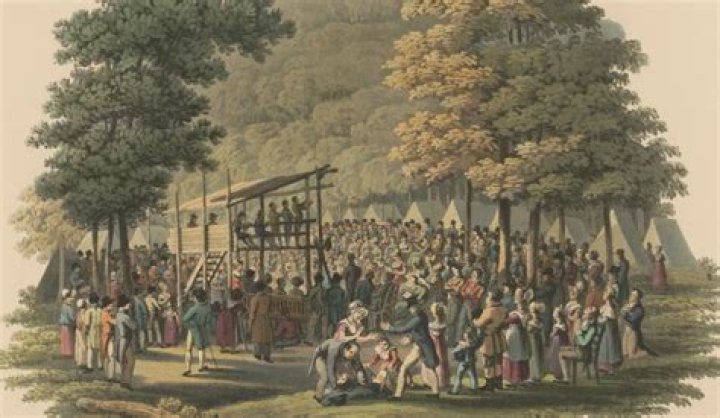
Camp meetings were large religious gatherings that were held in the summer months. They were often held in rural areas, and they attracted people from all over the region. Camp meetings were a major source of religious inspiration and renewal, and they helped to spread the Second Great Awakening westward.
- Education
The Second Great Awakening also led to the expansion of education in the western territories. Many religious leaders believed that education was essential for people to understand the Bible and to live a Christian life. As a result, many new schools and colleges were founded in the western territories during this period.
The Second Great Awakening had a profound impact on the development of the western United States. It helped to shape the religious landscape of the region, and it contributed to the growth of education and culture. The Second Great Awakening also helped to create a sense of community among settlers in the western territories, and it played a role in the development of a new American identity.
Cultural change
The Second Great Awakening was a period of religious revival that swept across the United States in the early 19th century. It had a profound impact on American culture and values, helping to shape the country's religious landscape, social institutions, and political system.
One of the most important ways that the Second Great Awakening shaped American culture was by promoting the idea of equality. Preachers such as Charles Finney and Lyman Beecher argued that all people were equal in the eyes of God, regardless of their race, gender, or social class. This message resonated with many Americans, who were struggling for equality in a society that was still deeply divided by slavery and other forms of discrimination.
The Second Great Awakening also helped to promote the values of individualism and self-reliance. Preachers encouraged people to rely on their own faith and experience, rather than on the authority of the church or the state. This message helped to create a more independent and self-sufficient citizenry, which was essential for the development of a democratic society.
The Second Great Awakening had a lasting impact on American culture and values. It helped to create a more egalitarian, individualistic, and self-reliant society. These values have continued to shape American society to this day.
FAQs on "the second great awakening"
This section provides answers to some of the most common questions about the Second Great Awakening, a period of religious revival that swept across the United States in the early 19th century.
Question 1: What were the key characteristics of the Second Great Awakening?
The Second Great Awakening was characterized by emotional preaching, mass conversions, the rise of new religious denominations, and a focus on social activism.
Question 2: Who were some of the leading figures of the Second Great Awakening?
Some of the leading figures of the Second Great Awakening included Charles Finney, Lyman Beecher, and Peter Cartwright.
Question 3: What impact did the Second Great Awakening have on American society?
The Second Great Awakening had a profound impact on American society, including promoting the ideals of equality, individualism, and self-reliance.
Question 4: How did the Second Great Awakening contribute to the abolition of slavery?
The Second Great Awakening helped to create a climate of reform in the United States, which led to the rise of the abolitionist movement.
Question 5: What was the role of camp meetings in the Second Great Awakening?
Camp meetings were large religious gatherings that played a major role in spreading the Second Great Awakening westward.
Question 6: How did the Second Great Awakening shape American religious landscape?
The Second Great Awakening led to the rise of new religious denominations, such as the Methodists and Baptists, and contributed to the growth of evangelical Christianity in the United States.
These are just a few of the many questions that have been asked about the Second Great Awakening. For further information, please consult the resources listed in the bibliography.
Transition to the next article section:
The Second Great Awakening was a complex and multifaceted movement that had a profound impact on American society. It helped to shape the country's religious landscape, social institutions, and political system. The legacy of the Second Great Awakening can still be seen today in the values and beliefs of many Americans.
Conclusion
The Second Great Awakening was a transformative religious movement that swept across the United States in the early 19th century, leaving a lasting impact on American society.
This period of intense religious revival was characterized by emotional preaching, mass conversions, and the rise of new religious denominations. It fostered a spirit of equality and individualism, and it contributed to the abolition of slavery and the expansion of education. The Second Great Awakening also shaped American culture and values, promoting the ideals of self-reliance, personal experience, and moral responsibility.
The legacy of the Second Great Awakening continues to influence American society today. Its emphasis on individual faith and experience remains a defining characteristic of American religion. Its call for social reform continues to inspire movements for justice and equality. And its emphasis on personal responsibility and self-reliance continues to shape American values and character.
The Second Great Awakening was a pivotal moment in American history, and its impact continues to be felt today. By understanding this movement, we can better understand the roots of American culture and values, and we can be inspired to continue working for a more just and equitable society.
Who Is Eve From Poland? | Eve From Poland Biography
Find Out The Truth: The Real Name Behind "Lay Lay" Revealed
The Ultimate Guide To Ice Stone Pokmon: Evolution, Location, And More