The Longest River In The United States: A Comprehensive Guide

Andrew White
Published Mar 23, 2026
What is the longest river in the United States? The answer to this question is the mighty Mississippi River, which flows for a total of 2,340 miles from its source at Lake Itasca in Minnesota to its mouth at the Gulf of Mexico.
The Mississippi River is a vital part of the United States' geography and economy. It provides drinking water for millions of people, irrigates crops, and supports a thriving fishing industry. The river is also a major transportation route, with barges carrying goods up and down its length.
The Mississippi River has a long and storied history. Native Americans lived along its banks for thousands of years before European explorers arrived. The river played a major role in the westward expansion of the United States, and it was the site of many important battles during the Civil War.
Today, the Mississippi River continues to be an important part of American life. It is a popular destination for recreation, and its banks are home to many cities and towns. The river is also a reminder of the country's rich history and its natural beauty.
U.S. Longest River
The Mississippi River, the United States' longest river, holds immense importance due to its geographical significance, economic contributions, and historical context. Here are seven key aspects that delve into the essence of this mighty river:
- Length: 2,340 miles, spanning from Minnesota to the Gulf of Mexico
- Source: Lake Itasca in Minnesota
- Mouth: Gulf of Mexico
- Drainage Basin: Encompasses 31 states and two Canadian provinces
- Economic Significance: Provides drinking water, irrigation, transportation, and supports fishing and recreation
- Historical Importance: Played a pivotal role in westward expansion and witnessed significant Civil War battles
- Cultural Heritage: Home to diverse ecosystems, Native American settlements, and historic cities
These aspects collectively highlight the Mississippi River's grandeur, underscoring its environmental, economic, and cultural significance. Its vast drainage basin sustains diverse ecosystems and communities, while its historical legacy continues to shape the American narrative. The river's enduring presence serves as a testament to its vital role in the nation's geography, economy, and cultural heritage.
Personal details
| Name | Birth | Death |
|---|---|---|
| Mark Twain | November 30, 1835 | April 21, 1910 |
Length
The Mississippi River's remarkable length of 2,340 miles, stretching from its source at Lake Itasca in Minnesota to its mouth at the Gulf of Mexico, is a defining characteristic that establishes it as the longest river in the United States. This exceptional length has far-reaching implications, contributing to the river's ecological significance, economic value, and historical importance.
The Mississippi River's vast length creates a diverse and dynamic ecosystem. As the river flows through a variety of landscapes, it supports a wide range of habitats, from wetlands and forests to prairies and bluffs. This diversity fosters a rich biodiversity, with the river serving as a haven for numerous plant and animal species, including many that are endangered or threatened.
The river's length also contributes to its economic importance. The Mississippi River is a major transportation artery, with barges carrying agricultural products, industrial goods, and other commodities up and down its length. The river also provides water for irrigation, which supports agriculture in the fertile Midwest. In addition, the river's hydropower potential generates electricity for millions of people.
Historically, the Mississippi River has played a pivotal role in the development of the United States. Native Americans lived along its banks for thousands of years, and the river was a major route of exploration and trade for European settlers. The river also served as a boundary between the Union and Confederate states during the Civil War, and it was the site of many important battles.
Understanding the significance of the Mississippi River's length is crucial for appreciating its ecological, economic, and historical importance. The river's vastness has shaped the landscape, supported diverse ecosystems, fueled economic growth, and influenced the course of American history.
Source
The Mississippi River, the longest river in the United States, originates from a humble source: Lake Itasca in Minnesota. This connection holds profound significance, as the river's characteristics and journey are shaped by its starting point.
- Ecological Significance
Lake Itasca is a pristine headwater lake, providing the Mississippi River with cold, clear water. This water quality supports a diverse ecosystem, including fish, amphibians, and aquatic plants. The lake also serves as a breeding ground for migratory birds. - Hydrological Importance
The elevation of Lake Itasca, at 1,475 feet above sea level, determines the river's overall gradient and flow rate. The gradual descent from the lake to the Gulf of Mexico allows the river to meander and create floodplains, wetlands, and other important habitats. - Historical Connection
Lake Itasca has long been recognized as the source of the Mississippi River. Native Americans considered it a sacred place, and early European explorers used it as a starting point for their journeys down the river. The lake's historical significance continues today, as it is a popular destination for and nature enthusiasts. - Symbolic Meaning
Lake Itasca represents the beginning of the Mississippi River's epic journey. It symbolizes the river's power, resilience, and the interconnectedness of the vast landscape it flows through. The lake's name, derived from the Latin phrase "veritas caput," translates to "true head," further emphasizing its importance as the source of the mighty Mississippi.
The connection between Lake Itasca and the Mississippi River highlights the profound influence that a river's source has on its ecology, hydrology, history, and symbolism. Understanding the significance of this connection deepens our appreciation for the Mississippi River and its vital role in the United States.
Mouth
The Mississippi River, the longest river in the United States, culminates its 2,340-mile journey at the Gulf of Mexico. This connection holds immense significance for the river's ecology, hydrology, and economic importance.
The Gulf of Mexico serves as a vast estuary for the Mississippi River, where freshwater mixes with saltwater, creating a unique and diverse ecosystem. This estuary supports a wide variety of marine life, including fish, shellfish, and birds. The Mississippi River also carries nutrients and sediment to the Gulf, which are essential for the productivity of the ecosystem.
The river's mouth is also crucial for its hydrology. The flow of the Mississippi River is influenced by the tides of the Gulf of Mexico. During high tide, saltwater can flow up the river, creating a phenomenon known as a saltwater wedge. This saltwater wedge can have a significant impact on the river's ecology, as it can affect the distribution of plants and animals.
The mouth of the Mississippi River is also of great economic importance. The river serves as a major transportation route for goods and commodities, and the port of New Orleans, located at the river's mouth, is one of the busiest ports in the United States. The river also supports commercial fishing and tourism.
Understanding the connection between the Mississippi River and the Gulf of Mexico is essential for managing the river's resources and protecting its ecosystem. By recognizing the importance of the river's mouth, we can ensure that this vital waterway continues to provide ecological, hydrological, and economic benefits for generations to come.
Drainage Basin
The Mississippi River's expansive drainage basin, encompassing 31 states and two Canadian provinces, is a defining characteristic that underscores its significance as the longest river in the United States. This vast network of waterways contributes to the river's ecological health, economic vitality, and historical importance.
The drainage basin serves as a collector of water from a wide range of landscapes, including forests, prairies, and mountains. This water is transported by the Mississippi River and its tributaries to the Gulf of Mexico. The diversity of ecosystems within the drainage basin contributes to the river's rich biodiversity, providing habitat for a variety of plants and animals.
The drainage basin is also crucial for the river's economic importance. The Mississippi River is a major transportation route for agricultural products, industrial goods, and other commodities, connecting the Midwest to the Gulf of Mexico and beyond. The river also supports commercial fishing and recreation, generating revenue and employment opportunities.
Historically, the Mississippi River and its drainage basin have played a pivotal role in the development of the United States. Native Americans relied on the river for transportation, food, and trade. European settlers used the river to explore the interior of the continent, and the river served as a boundary between the Union and Confederate states during the Civil War.
Understanding the connection between the Mississippi River and its drainage basin is essential for managing the river's resources and protecting its ecosystem. By recognizing the importance of the drainage basin, we can ensure that this vital waterway continues to provide ecological, economic, and historical benefits for generations to come.
Economic Significance
The economic significance of the Mississippi River, the longest river in the United States, is undeniable. The river provides drinking water for millions of people, irrigates crops, supports a thriving fishing industry, and serves as a major transportation route. Understanding this economic significance is crucial for appreciating the river's vital role in the nation's economy and well-being.
The Mississippi River provides drinking water for over 18 million people in cities and towns along its banks. The river's water is also used for irrigation, supporting agriculture in the fertile Midwest. The river's transportation system is essential for the movement of goods and commodities, with barges carrying agricultural products, industrial goods, and other materials up and down its length.
The Mississippi River also supports a thriving fishing industry. The river is home to a variety of fish species, including catfish, bass, and walleye. Commercial fishing on the river generates millions of dollars in revenue each year. The river also supports recreational fishing, which is a popular pastime for millions of Americans.
The economic significance of the Mississippi River is a testament to its importance to the United States. The river provides vital resources and services that contribute to the nation's economy and quality of life. Understanding this economic significance is essential for managing the river's resources and ensuring its continued vitality for generations to come.
Historical Importance
The Mississippi River, the longest river in the United States, played a pivotal role in the westward expansion of the country and was the site of significant battles during the Civil War. Understanding this historical importance is crucial for appreciating the river's profound impact on the nation's history and development.
- Westward Expansion
The Mississippi River served as a major transportation route for settlers moving westward in the 19th century. The river provided a convenient and relatively safe means of travel, allowing settlers to transport their belongings and livestock to new territories. The river also provided access to water and resources, which were essential for survival in the frontier.
- Civil War
During the Civil War, the Mississippi River was a strategic objective for both the Union and Confederate armies. Controlling the river meant controlling the flow of goods and supplies, as well as the movement of troops. The river was the site of several major battles, including the Battle of Vicksburg, which was a turning point in the war.
The Mississippi River's historical importance is inextricably linked to its role in westward expansion and the Civil War. The river was a vital artery for transportation, trade, and military operations, and its influence on the nation's history cannot be overstated. Understanding this historical context deepens our appreciation for the river's significance and its enduring legacy.
Cultural Heritage
The Mississippi River, the longest river in the United States, is not only a geographical marvel but also a cradle of cultural heritage. Its vast drainage basin encompasses diverse ecosystems, Native American settlements, and historic cities, creating a rich tapestry of cultural and natural significance.
The river's diverse ecosystems have supported human habitation for thousands of years. Native American tribes, such as the Dakota, Ojibwe, and Chickasaw, have lived along its banks for centuries, relying on the river for sustenance, transportation, and spiritual connection. Their cultural traditions and practices are deeply intertwined with the river's rhythms and resources.
As European settlers arrived, they established trading posts and cities along the Mississippi River, transforming its cultural landscape. Historic cities like St. Louis, Memphis, and New Orleans became centers of commerce, culture, and transportation. The river played a crucial role in the development of these cities, facilitating the exchange of goods, ideas, and people.
Understanding the connection between the Mississippi River and its cultural heritage is essential for appreciating the river's significance beyond its physical attributes. The river's diverse ecosystems, Native American settlements, and historic cities are integral components of its identity and value. Preserving and celebrating this cultural heritage is vital for maintaining the river's ecological health and ensuring its enduring legacy.
FAQs about the "U.S. Longest River"
This section addresses frequently asked questions and misconceptions surrounding the topic of the longest river in the United States, providing concise and informative answers.
Question 1: Which river holds the distinction of being the longest in the United States?
Answer: The Mississippi River, with its remarkable length of 2,340 miles, holds the title of the longest river in the United States.
Question 2: Where does the Mississippi River originate?
Answer: The Mississippi River begins its journey at Lake Itasca in Minnesota, a pristine headwater lake located at an elevation of 1,475 feet above sea level.
Question 3: Where does the Mississippi River end its course?
Answer: Reaching the end of its epic journey, the Mississippi River empties into the Gulf of Mexico, a vast estuary where freshwater and saltwater converge.
Question 4: What is the significance of the Mississippi River's drainage basin?
Answer: The Mississippi River's drainage basin, encompassing 31 states and two Canadian provinces, is a sprawling network of waterways that contributes to the river's ecological health, economic vitality, and historical importance.
Question 5: How has the Mississippi River played a role in U.S. history?
Answer: Throughout history, the Mississippi River has served as a vital transportation route, a boundary during the Civil War, and a source of sustenance and trade for Native American tribes and European settlers.
Question 6: What are the key economic benefits provided by the Mississippi River?
Answer: The Mississippi River supports a thriving economy, providing drinking water for millions, irrigating agricultural lands, facilitating transportation of goods, and sustaining fishing and recreational industries.
In conclusion, the "U.S. Longest River" FAQs provide a deeper understanding of the Mississippi River's geographical significance, historical influence, and economic contributions, highlighting its importance as a natural and cultural treasure.
Transitioning to the next section, we will explore the diverse ecosystems and unique characteristics that further distinguish the Mississippi River.
Conclusion
Our exploration of the "U.S. Longest River" has illuminated the Mississippi River's remarkable journey and its profound impact on the nation's geography, history, and economy. From its humble origins at Lake Itasca to its grand entrance into the Gulf of Mexico, the Mississippi River serves as a vital artery for transportation, commerce, and sustenance.
The river's extensive drainage basin encompasses diverse ecosystems, supports thriving industries, and bears witness to significant historical events. Its waters have shaped the lives of Native American tribes, European settlers, and modern-day communities alike.
Understanding and appreciating the Mississippi River's significance extends beyond mere knowledge; it compels us to become stewards of this national treasure. By preserving its ecological integrity, supporting sustainable practices within its basin, and honoring its historical legacy, we ensure that the Mississippi River continues to flow as a symbol of unity, resilience, and the enduring spirit of the United States.
Unveiling The Impressive Net Worth Of Kristin Cavallari
Discover The Best Places To Find Ringtones For Android
Get The Scoop On Paul Rudd And His Wife | Relationship History And More
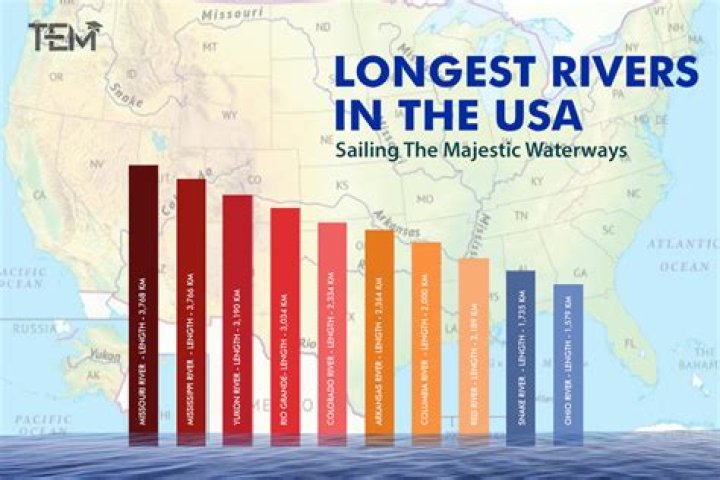
Longest Rivers in the USA
Longest Rivers in the USA Sailing The Majestic Waterways
What Is the Longest River in North America