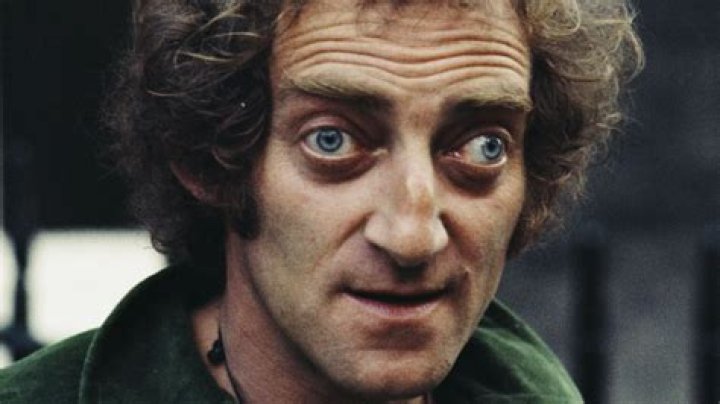
Discoveries About Male Actors With Lazy Eyes

Christopher Ramos
Published Mar 27, 2026
A male actor with a lazy eye, also known as ptosis, is an individual who exhibits a drooping of the upper eyelid. This condition can affect one or both eyes and can range in severity from mild to severe. While it can be a cosmetic concern for some, a lazy eye can also lead to vision problems if left untreated.
The importance of recognizing and addressing a lazy eye in male actors lies in its potential impact on their careers. In the entertainment industry, physical appearance and presentation play a significant role in casting decisions. A noticeable lazy eye can affect an actor's ability to convey emotions effectively, limit their range of facial expressions, and potentially hinder their chances of securing roles that require a certain level of physicality or charisma.
Historically, male actors with lazy eyes have faced challenges in gaining widespread recognition and acceptance. However, with increasing awareness and the growing visibility of actors with diverse physical characteristics, there is a gradual shift towards inclusivity and representation in the entertainment industry. Notable male actors with lazy eyes, such as Jeff Goldblum and Christopher Walken, have demonstrated that this condition does not diminish their talent or ability to captivate audiences.
Male Actor with Lazy Eye
The presence of a lazy eye, or ptosis, in male actors presents unique challenges and considerations that impact their careers and public perception. Here are eight key aspects to explore:
- Physical Manifestation: Drooping of the upper eyelid.
- Visual Impact: Potential vision problems if left untreated.
- Career Implications: Can affect casting decisions and limit roles.
- Emotional Expression: May hinder effective conveyance of emotions.
- Facial Expressions: Restricts range of facial movements.
- Representation: Historically faced challenges in gaining recognition.
- Inclusivity: Growing acceptance and representation in the industry.
- Notable Examples: Jeff Goldblum, Christopher Walken have showcased talent despite lazy eye.
These aspects are interconnected and highlight the multifaceted nature of being a male actor with a lazy eye. While it can pose obstacles, it can also be a unique characteristic that adds depth and intrigue to an actor's performance. As the entertainment industry continues to embrace diversity and representation, actors with lazy eyes are increasingly breaking down stereotypes and inspiring others to pursue their dreams regardless of their physical appearance.
Physical Manifestation
The drooping of the upper eyelid, medically termed ptosis, is the defining physical manifestation of a lazy eye in male actors. This drooping can range from mild to severe, affecting one or both eyes. It occurs when the levator palpebrae superioris muscle, responsible for lifting the eyelid, is weakened or paralyzed.
- Impaired Vision: In severe cases, ptosis can obstruct the visual axis, leading to impaired vision and potential amblyopia (lazy eye).
- Asymmetrical Appearance: The drooping eyelid can create an asymmetrical appearance, affecting facial symmetry and potentially impacting an actor's ability to convey emotions effectively.
- Social Stigma: Historically, ptosis has carried a social stigma, with individuals often facing discrimination and prejudice. This can impact an actor's self-confidence and career opportunities.
- Surgical Correction: In some cases, ptosis can be surgically corrected to improve eyelid function and appearance. However, surgery may not always be necessary or desired.
Understanding the physical manifestation of a lazy eye is crucial for male actors as it can affect their career prospects and public perception. By acknowledging and addressing this condition, actors can make informed decisions about their health and career path, challenging stereotypes and paving the way for greater inclusivity in the entertainment industry.
Visual Impact
For male actors, a lazy eye can have significant visual implications that, if left untreated, can affect their vision and overall health. Here are some key aspects to consider:
- Amblyopia: Also known as "lazy eye," amblyopia can develop when the brain favors one eye over the other, causing the weaker eye to become weaker. This can lead to permanent vision problems if not treated in childhood.
- Strabismus: This condition, commonly known as "crossed eyes," occurs when the eyes are misaligned, causing them to point in different directions. Strabismus can lead to double vision and depth perception issues.
- Ptosis: When the eyelid droops, it can obstruct the visual axis, impairing vision. Severe ptosis may require surgical correction to restore proper eyelid function.
- Reduced Visual Acuity: A lazy eye can result in reduced visual acuity, making it difficult to see clearly and perform everyday tasks.
Understanding the potential visual impact of a lazy eye is crucial for male actors. Early detection and treatment can help prevent or minimize vision problems, ensuring that actors can maintain their vision and pursue their careers without limitations.
Career Implications
For male actors with lazy eyes, the career implications can be multifaceted, affecting their casting opportunities and the range of roles they can play. Here are some key aspects to consider:
- Physical Appearance: In the entertainment industry, physical appearance often plays a significant role in casting decisions. A lazy eye can be perceived as a cosmetic flaw, potentially limiting an actor's ability to secure roles that require a certain level of physical attractiveness or symmetry.
- Expressive Range: A lazy eye can affect an actor's ability to convey emotions and expressions effectively. The drooping eyelid may make it difficult for them to express a full range of emotions, particularly those that require subtle facial movements.
- Stereotyping: Male actors with lazy eyes may face stereotyping and typecasting. They may be limited to roles that align with the preconceived notions associated with their condition, such as villainous or eccentric characters.
- Audience Perception: Audiences can have preconceived notions about individuals with lazy eyes, which can influence their perception of an actor's performance. This can create a barrier for actors trying to establish themselves and gain widespread acceptance.
Despite these challenges, male actors with lazy eyes have demonstrated that they can overcome these obstacles and achieve success in the entertainment industry. Notable examples include Jeff Goldblum, Christopher Walken, and Javier Bardem, who have all embraced their unique characteristics and carved out successful careers.
Emotional Expression
For male actors with lazy eyes, emotional expression poses unique challenges that can affect their ability to convey emotions effectively. The drooping eyelid associated with a lazy eye can impair facial movements, making it difficult for actors to express subtle emotions and nuances. This can be particularly limiting in roles that require a wide range of emotional expression.
The eyes play a crucial role in communicating emotions. They convey feelings, intentions, and inner thoughts. A lazy eye can disrupt this natural form of expression, making it challenging for actors to connect with audiences on an emotional level. This can hinder their ability to fully embody characters and bring depth to their performances.
Despite these challenges, male actors with lazy eyes have demonstrated remarkable resilience and creativity in overcoming this obstacle. They have developed techniques to compensate for the limitations imposed by their condition, finding innovative ways to convey emotions through their voices, body language, and the use of props.
Understanding the connection between emotional expression and lazy eyes is crucial for both actors and casting directors. Actors can develop strategies to manage the challenges posed by their condition, while casting directors can recognize the unique strengths and talents of actors with lazy eyes, embracing their potential to bring depth and authenticity to diverse roles.
Facial Expressions
For male actors with lazy eyes, facial expressions pose a unique challenge that can significantly impact their ability to convey emotions and embody characters effectively. The drooping eyelid associated with a lazy eye can impair facial movements, limiting the range of expressions an actor can produce.
Facial expressions are an integral part of human communication, conveying emotions, intentions, and thoughts. In acting, facial expressions are essential for bringing characters to life and connecting with audiences on an emotional level. However, for actors with lazy eyes, the restricted range of facial movements can hinder their ability to fully express themselves.
This limitation can be particularly challenging in roles that require a wide range of emotional expression, such as dramatic or comedic characters. Actors with lazy eyes may find it difficult to convey subtle emotions or complex inner conflicts through their facial expressions alone.
Despite these challenges, many male actors with lazy eyes have overcome this obstacle and achieved great success in their careers. Notable examples include Jeff Goldblum, Christopher Walken, and Javier Bardem, who have all embraced their unique characteristics and found ways to compensate for the limitations imposed by their condition.
Understanding the connection between facial expressions and lazy eyes is crucial for both actors and casting directors. Actors can develop techniques to manage the challenges posed by their condition, while casting directors can recognize the unique strengths and talents of actors with lazy eyes, embracing their potential to bring depth and authenticity to diverse roles.
Representation
In the entertainment industry, representation is crucial for creating a diverse and inclusive environment that reflects the real world. For male actors with lazy eyes, historical challenges in gaining recognition have shaped their experiences and opportunities.
- Limited Roles and Stereotyping: Actors with lazy eyes have often been typecast in limited roles that perpetuate stereotypes or exoticize their condition. This can restrict their ability to showcase their full range of talents and portray complex characters.
- Prejudice and Discrimination: Historically, actors with lazy eyes have faced prejudice and discrimination in the industry. They may be perceived as less capable or attractive, leading to fewer casting opportunities and lower pay.
- Lack of Visibility: The lack of visible male actors with lazy eyes in mainstream media has contributed to the perception that they are not as successful or talented as their peers. This lack of representation can discourage aspiring actors from pursuing their dreams.
- Changing Attitudes: In recent years, there has been a gradual shift towards greater representation and acceptance of actors with lazy eyes. Notable examples such as Jeff Goldblum and Christopher Walken have paved the way for others, challenging stereotypes and inspiring a new generation of actors.
Overcoming these historical challenges requires ongoing efforts to promote inclusivity and challenge societal biases. By increasing visibility, dismantling stereotypes, and providing equal opportunities, the entertainment industry can create a more equitable environment for male actors with lazy eyes.
Inclusivity
The growing acceptance and representation of male actors with lazy eyes in the entertainment industry is a testament to the ongoing shift towards greater inclusivity and diversity. This positive change has far-reaching implications for both actors and audiences alike.
For actors with lazy eyes, increased representation means more opportunities to showcase their talents and challenge stereotypes. They are no longer relegated to stereotypical roles or limited by perceptions of their physical appearance. This not only empowers them as artists but also sends a powerful message to aspiring actors with similar conditions, inspiring them to pursue their dreams.
For audiences, greater representation of male actors with lazy eyes fosters a more realistic and inclusive portrayal of society. It challenges narrow beauty standards and allows audiences to connect with characters that reflect a wider range of human experiences. This increased visibility and normalization can help break down barriers and promote acceptance of individuals with disabilities or unique physical characteristics.
The growing inclusivity in the entertainment industry is a positive step towards creating a more equitable and representative society. By embracing actors with lazy eyes and other underrepresented groups, the industry is not only reflecting the diversity of the real world but also creating a more inclusive and inspiring environment for all.
Notable Examples
The careers of Jeff Goldblum and Christopher Walken exemplify the exceptional talent and resilience of male actors with lazy eyes. Their success challenges stereotypes and demonstrates the power of individuality in the entertainment industry.
- Overcoming Physical Limitations: Goldblum and Walken have both embraced their lazy eyes, recognizing them as unique characteristics that add depth to their performances. Rather than being a hindrance, their lazy eyes have become part of their signature styles, enhancing their on-screen presence.
- Diverse Roles: Despite their lazy eyes, Goldblum and Walken have played a wide range of characters, from eccentric scientists to enigmatic villains. Their ability to transcend physical limitations and embody diverse roles showcases their versatility and commitment to their craft.
- Critical Acclaim: Goldblum and Walken have received critical acclaim for their performances, earning prestigious awards and accolades. Their success is a testament to their talent, dedication, and the growing acceptance of actors with disabilities in the entertainment industry.
- Inspiration for Others: The careers of Goldblum and Walken serve as an inspiration to aspiring actors with lazy eyes. They demonstrate that physical differences need not hinder artistic aspirations and that success is possible through hard work, talent, and self-belief.
In conclusion, the notable examples of Jeff Goldblum and Christopher Walken highlight the transformative power of talent and determination. Their ability to overcome physical limitations and achieve success in the entertainment industry challenges stereotypes and expands the boundaries of representation for male actors with lazy eyes.
FAQs
This section addresses frequently asked questions regarding male actors with lazy eyes, providing informative answers to common concerns or misconceptions.
Question 1: What is a lazy eye?
A lazy eye, also known as ptosis, occurs when the upper eyelid droops, partially or fully covering the pupil. It can affect one or both eyes.
Question 2: Can a lazy eye affect an actor's career?
While a lazy eye may present challenges in the entertainment industry, it does not diminish an actor's talent or ability. Notable actors like Jeff Goldblum and Christopher Walken have successfully navigated their careers despite having lazy eyes.
Question 3: How does a lazy eye impact facial expressions?
A lazy eye can limit the range of facial expressions, particularly those involving the eyes and eyebrows. However, actors with lazy eyes have developed techniques to compensate for this limitation and effectively convey emotions.
Question 4: Is it difficult for actors with lazy eyes to gain recognition?
Historically, actors with lazy eyes faced limited roles and typecasting. However, attitudes are changing, and inclusivity is increasing. Actors with lazy eyes are now gaining wider recognition and playing diverse roles.
Question 5: What are the advantages of having a lazy eye as an actor?
A lazy eye can be a unique and distinctive characteristic that adds depth and intrigue to an actor's performance. It can also challenge stereotypes and promote greater representation in the entertainment industry.
Question 6: What advice would you give to aspiring actors with lazy eyes?
Embrace your unique characteristics. Develop your skills, work hard, and challenge stereotypes. The entertainment industry is evolving, and opportunities for actors with diverse physical attributes are expanding.
In conclusion, a lazy eye does not define an actor's potential. With talent, determination, and an evolving entertainment landscape, male actors with lazy eyes can achieve success and make meaningful contributions to the industry.
See also: "The Impact of Physical Disabilities on Acting Careers" for further insights.
Tips for Male Actors with Lazy Eye
Navigating the entertainment industry with a lazy eye requires resilience, self-belief, and a strategic approach. Here are some tips to help male actors with lazy eye maximize their potential:
Tip 1: Embrace Your Unique CharacteristicsYour lazy eye is not a flaw but a distinguishing feature that can add depth and intrigue to your performances. Embrace it as part of your identity and use it to your advantage.
Tip 2: Develop Your SkillsFocus on honing your acting skills, including vocal projection, physical expression, and emotional range. Work with a coach or attend workshops to enhance your abilities.
Tip 3: Showcase Your TalentCreate a strong portfolio that showcases your acting abilities and range. Use your lazy eye to your advantage by playing characters that challenge stereotypes and explore unconventional roles.
Tip 4: Network and Build RelationshipsAttend industry events, connect with casting directors, and build relationships within the entertainment community. Let people know about your unique qualities and the value you bring as an actor.
Tip 5: Be Persistent and ResilientRejection is part of the acting business, regardless of your physical appearance. Stay persistent, learn from your experiences, and never give up on your dreams.
Tip 6: Seek Support and InspirationConnect with other actors who have faced similar challenges. Share experiences, offer support, and learn from each other's journeys.
Tip 7: Challenge StereotypesActively challenge stereotypes and promote inclusivity in the entertainment industry. Speak out against discrimination and advocate for greater representation of actors with disabilities.
Tip 8: Stay True to YourselfUltimately, the most important thing is to stay true to yourself and your artistic vision. Don't compromise your integrity or allow your lazy eye to define your potential. Embrace your individuality and let it shine through your performances.
By following these tips, male actors with lazy eye can overcome challenges, showcase their talents, and make a meaningful impact in the entertainment industry.
See also: "Overcoming Obstacles: The Journey of Actors with Disabilities" for further insights.
Conclusion
The exploration of "male actor with lazy eye" reveals a complex interplay of challenges and opportunities within the entertainment industry. While a lazy eye can present obstacles, it is not a barrier to success. Notable actors such as Jeff Goldblum and Christopher Walken have demonstrated that talent, determination, and a changing entertainment landscape can empower actors with lazy eyes to achieve recognition and make significant contributions.
As the industry continues to embrace inclusivity, there is a growing need to challenge stereotypes and promote representation for actors with diverse physical characteristics. Male actors with lazy eyes have a unique opportunity to break down barriers, inspire others, and enrich the entertainment experience for audiences. By embracing their individuality, honing their skills, and staying true to their artistic vision, they can make a lasting impact on the industry and the world.
Unveiling Sara Haines' Dating History: Discoveries And Insights
Unveiling The Magic: Taylor Swift's Sesame Street Adventure
Unveiling The World Of "charlotte Flair Husband": Discoveries And Insights
Pictures Celebrities with a Lazy Eye Celebrities With Amblyopia
Celebrities you never noticed have lazy eyes
Celebrities you never noticed have lazy eyes